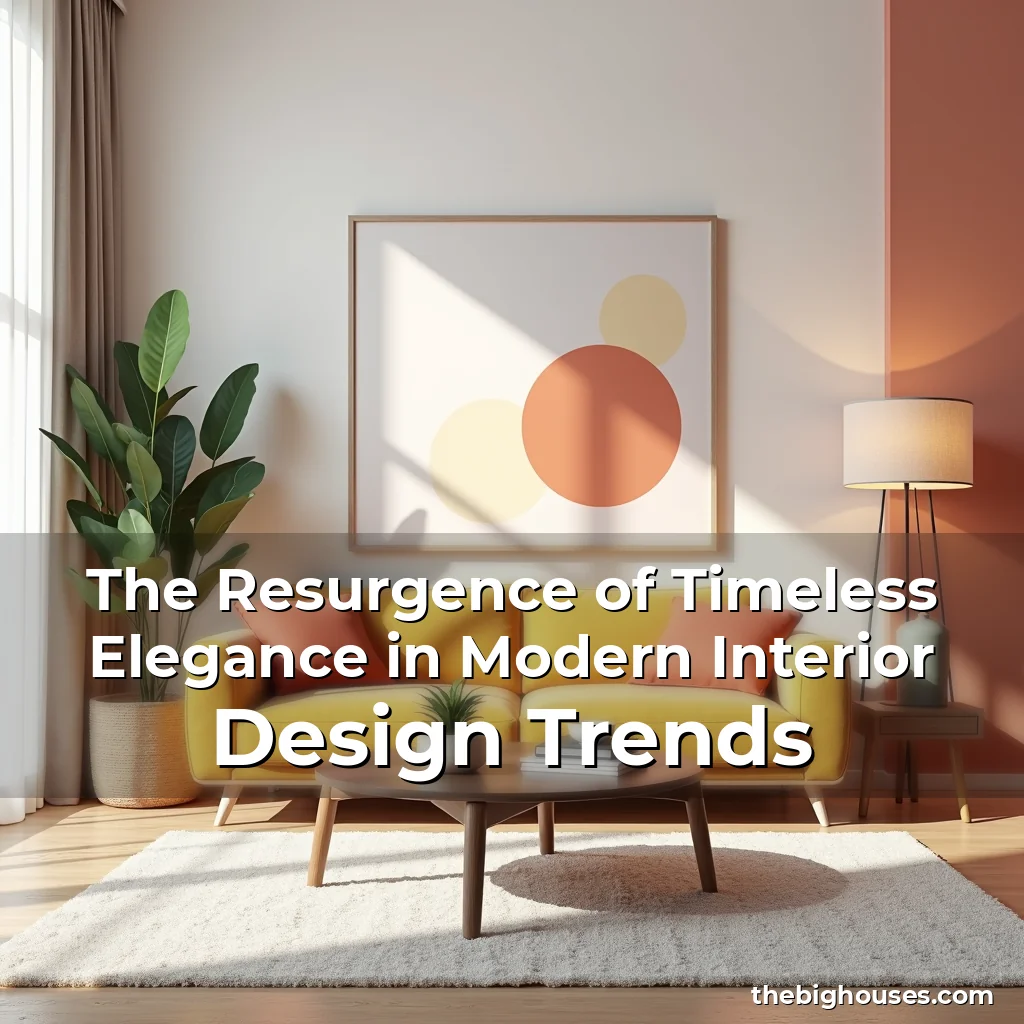
The Resurgence of Timeless Elegance in Modern Interior Design Trends
In an era dominated by rapid technological advancements and ever-changing aesthetics, interior design is witnessing a fascinating shift towards timeless elegance. This trend reflects a growing desire among homeowners and designers alike to create spaces that feel both contemporary and enduring.
The resurgence of classic elements such as ornate moldings, rich wood finishes, and intricate detailing speaks volumes about the current design philosophy. These features are being reimagined through modern lenses while maintaining their inherent sophistication.
Elevating Natural Materials in Contemporary Spaces
Natural materials have always held a special place in interior design, but today they’re experiencing a renaissance fueled by sustainability concerns and a longing for authenticity.
Wooden flooring options now span from reclaimed barnwood to sleek engineered planks, offering versatility without compromising environmental integrity. Similarly, stone surfaces range from rustic slate countertops to polished marble vanities.
Textiles made from organic cotton, wool, and hemp are gaining popularity for their durability and eco-friendly credentials. These materials bring warmth and texture to interiors while aligning with green living principles.
- Reclaimed wood: Adds character while reducing deforestation impact
- Laminate alternatives: Provide the look of natural wood at lower costs
- Recycled glass tiles: Offer sustainable backsplash solutions
- Bamboo furniture: Combines strength with renewable resource benefits
This emphasis on natural materials doesn’t mean sacrificing modern functionality. Innovative treatments allow these materials to maintain their aesthetic appeal while enhancing performance characteristics.
Designers are finding creative ways to integrate raw textures with smart home technology, proving that nature and innovation can coexist harmoniously in residential spaces.
Biophilic Design Takes Center Stage
As urbanization accelerates and digital screen time increases, biophilic design has emerged as a crucial trend focusing on our innate connection to nature.
This approach incorporates natural light, indoor plants, water features, and organic shapes to foster well-being and reduce stress levels within living environments.
Large windows with minimal framing maximize daylight penetration while creating visual continuity between indoors and outdoors. Living walls covered in lush vegetation purify air and add dynamic color palettes.
Water elements like tabletop fountains or reflective pools introduce soothing sounds and visual interest without requiring extensive space commitment.
Architectural forms inspired by nature—curved archways, flowing lines, and asymmetrical layouts—create fluid spatial experiences that mirror natural landscapes.
Spatial Benefits of Biophilic Elements
Studies show that incorporating biophilic features can increase productivity by up to 8% and reduce absenteeism in office settings. While residential applications differ, similar psychological benefits apply to home environments.
American Psychological Association research indicates that even small amounts of natural elements significantly decrease cortisol levels, promoting relaxation and mental clarity.
Homeowners embracing this trend report improved sleep quality, enhanced mood regulation, and increased overall satisfaction with their living spaces.
When implemented thoughtfully, biophilic design creates therapeutic environments where occupants naturally feel calm and rejuvenated throughout their daily routines.
Mixed Media Textures Are Redefining Aesthetics
The tactile experience of interior spaces is becoming increasingly significant as design professionals experiment with diverse surface combinations.
Rough-hewn concrete floors paired with plush velvet upholstery demonstrate how contrasting textures can elevate spatial dynamics. Metallic accents complement matte finishes in unexpected ways.
Layered textiles featuring different weaves, patterns, and densities add depth to room compositions. Think woven jute rugs over smooth ceramic tile bases.
These textural contrasts invite interaction rather than passive observation, making each space more engaging and visually stimulating.
Interior decorators recommend starting with three primary textures before layering additional ones to avoid overwhelming the senses.
Thoughtful integration of mixed media elements transforms static rooms into dynamic environments that evolve with changing lighting conditions and seasonal updates.
The Rise of Statement Lighting Fixtures
Lighting fixtures have moved beyond mere function to become bold artistic expressions defining entire rooms’ identities.
Statement chandeliers with sculptural forms hang dramatically above dining areas, drawing attention as architectural focal points. Pendant lights shaped like geometric solids provide both illumination and visual intrigue.
Custom-designed lighting solutions allow for personal expression through unique shapes, colors, and materials that reflect individual tastes.
Smart lighting systems enable precise control over brightness, color temperature, and ambiance settings, blending style with technological convenience.
Whether opting for industrial-style metal fixtures or delicate crystal designs, statement lighting adds personality while serving essential functional purposes.
Proper placement ensures these pieces enhance rather than overwhelm the space, balancing dramatic flair with practicality.
Craftsmanship Revival in Custom Furniture
An appreciation for artisanal craftsmanship is driving demand for custom-made furnishings that showcase exceptional skill and originality.
Artisans use traditional techniques combined with modern tools to produce bespoke pieces ranging from hand-carved wooden tables to upholstered chairs with signature stitching patterns.
This movement challenges mass production models by valuing uniqueness and heritage over uniformity and efficiency.
Furniture makers often collaborate closely with clients during design phases, ensuring final products meet specific needs and preferences.
Premium materials sourced sustainably contribute to both the piece’s longevity and its ethical value proposition.
Investing in custom furniture becomes an investment in lasting beauty that transcends fleeting design fads.
Color Psychology Shapes Palette Choices
Modern interior design increasingly draws upon color psychology to curate atmospheres that support emotional well-being and functional requirements.
Calm neutrals serve as reliable backdrops allowing other elements to shine while conveying serenity and balance. Accent walls in deep jewel tones inject energy and dimensionality.
Warm earthy hues promote comfort and stability, whereas cool blues and greens evoke tranquility and freshness. Pastel shades offer softness without overpowering smaller spaces.
Strategic color application considers factors like room orientation, natural light expo
Understanding how different colors affect human behavior enables designers to craft environments that nurture desired moods and activities.
Current trends favor versatile palettes combining monochromatic foundations with curated pops of color for visual interest and personal expression.
The Integration of Smart Home Technology
While aesthetics remain paramount, intelligent automation systems are seamlessly integrating into contemporary interiors without compromising design integrity.
Hidden wiring behind acoustic panels allows voice-controlled lighting adjustments while preserving clean architectural lines. Discreetly placed sensors monitor occupancy patterns to optimize energy consumption.
Touchscreen interfaces embedded in cabinetry combine functionality with minimalist aesthetics. Wireless charging stations built into furniture eliminate clutter from power cords.
Security cameras disguised as decorative objects maintain privacy while providing surveillance capabilities. Automated window coverings respond intuitively to sunlight changes.
These technologies work together to create intuitive, responsive homes that anticipate user needs without appearing overly technical.
Professional installers ensure seamless integration so smart devices operate reliably alongside high-end design elements.
Flexible Spatial Configurations for Dynamic Lifestyles
With evolving work-life balances and shifting family structures, adaptable spaces have become essential components of modern residences.
Movable partitions, fold-out sofas, and modular shelving units facilitate transitions between social gatherings and private moments. Multi-functional furniture serves dual purposes efficiently.
Retractable screens transform open-plan areas into semi-private zones when needed. Built-in storage solutions keep clutter at bay while maximizing usable floor area.
Adjustable ceiling heights accommodate various configurations, while floating platforms create distinct zones within larger spaces.
This flexibility supports both traditional and unconventional uses of rooms based on occupant needs and preferences.
Such designs cater to remote workers needing dedicated office spaces while still maintaining cohesive living arrangements.
Conclusion
The convergence of classic refinement and cutting-edge innovations defines today’s most compelling interior design trends. From natural material selections to advanced technological integrations, every element contributes to creating balanced, beautiful environments.
By understanding these developments, homeowners gain invaluable insight into crafting spaces that reflect personal style while remaining relevant across generations. Thoughtful implementation of emerging trends results in interiors that inspire joy, wellness, and everyday comfort.
“`