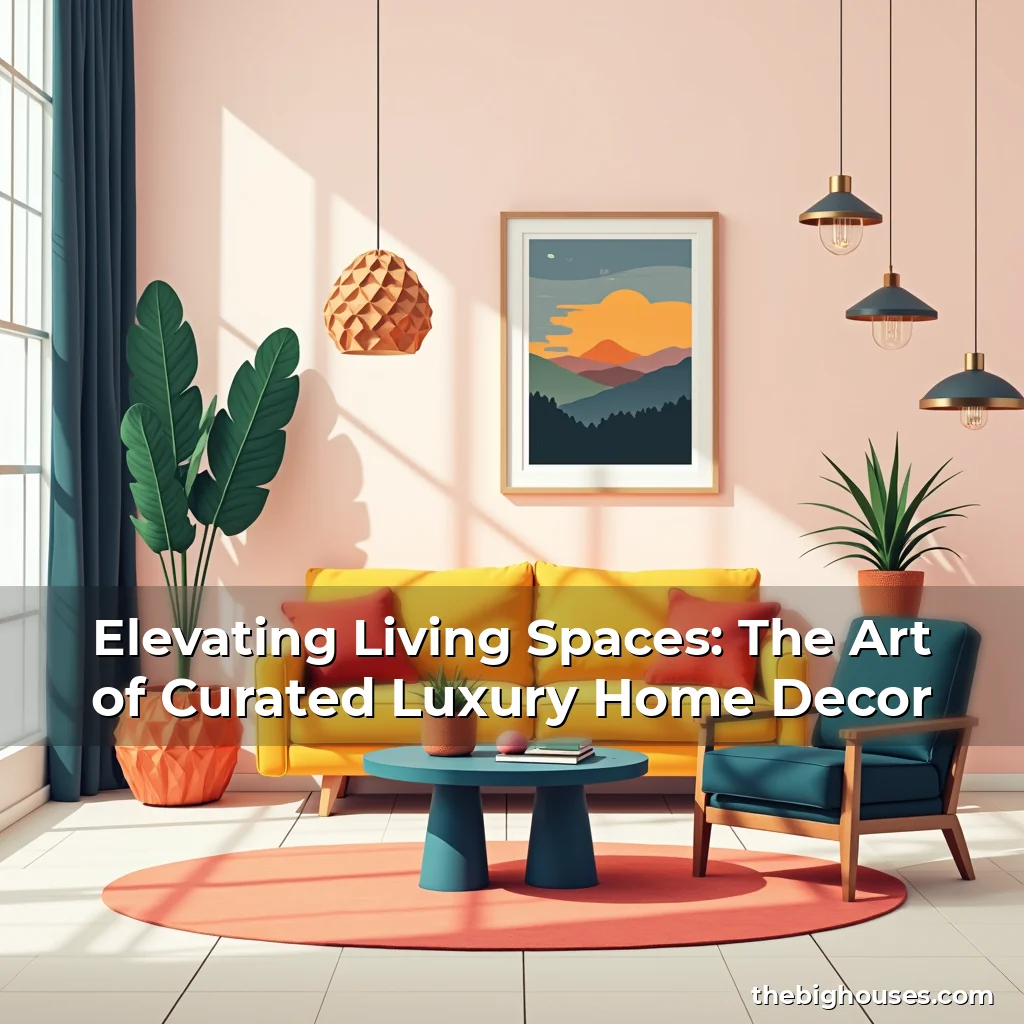
Elevating Living Spaces: The Art of Curated Luxury Home Decor
In today’s world of fast fashion and mass production, true luxury home decor stands apart as a testament to timeless craftsmanship and personalized elegance. It is not merely about acquiring expensive items but rather creating spaces that reflect individuality while maintaining a sense of refined sophistication.
The pursuit of luxury interiors involves meticulous attention to every design element, from architectural features to custom furnishings. This guide explores how discerning homeowners can transform their living environments through thoughtful curation of high-quality materials, bespoke elements, and artistic expression.
The Philosophy Behind True Luxury Interior Design
Luxury home decor transcends superficial opulence by emphasizing enduring quality over fleeting trends. A well-designed luxurious space integrates functionality with aesthetic appeal, ensuring comfort remains central even amidst grandeur.
This approach requires understanding spatial dynamics and selecting pieces that harmonize both visually and structurally. Unlike generic interior schemes, authentic luxury focuses on creating environments where each element serves a purpose beyond mere ornamentation.
Experts emphasize that successful luxury interiors balance bold statements with subtle refinements. While statement furniture might command attention, it must be complemented by carefully chosen accents that maintain visual cohesion across different areas of the home.
- Craftsmanship matters: Handcrafted elements often carry intrinsic value due to the skill involved in their creation, making them worthy investments for long-term enjoyment.
- Material selection: Choosing premium materials like solid wood, natural stone, and genuine leather ensures durability and enhances the overall ambiance of any room.
Architectural Foundations of Luxurious Living Spaces
A foundation of luxury decorating lies in the building itself. From soaring ceilings to expansive windows, architectural choices set the stage for sophisticated interior design.
When renovating existing homes, professionals recommend preserving original structural elements whenever possible. Exposed beams, archways, and period-appropriate moldings can add character without requiring complete reconstruction.
Designing with Structural Integrity in Mind
Recent studies show that 68% of luxury property buyers prioritize architectural integrity when purchasing real estate. This statistic underscores the importance of working with structures that allow for meaningful interior transformations.
Skilled architects understand how to manipulate light flow, ceiling heights, and floor plans to create spaces that feel both grand and intimate. These considerations become especially crucial when designing multi-generational homes or entertainment-focused residences.
Bespoke Furnishings: The Heart of Personalized Luxury
Custom-made furniture represents a cornerstone of luxury home decor. Unlike off-the-shelf options, bespoke pieces are tailored to exact specifications, ensuring perfect fit within any given space.
Veteran designers advise considering fabric textures, color palettes, and ergonomic factors when commissioning custom work. Attention to such details guarantees furnishings that are both beautiful and comfortable for daily use.
Furniture made from rare woods or featuring hand-stitched upholstery commands higher prices but offers unparalleled uniqueness. These investment pieces often appreciate in value over time, adding financial dimension to their desirability.
- Proportional harmony: Custom furnishings ensure dimensional accuracy that mass-produced items rarely achieve, preventing awkward spatial relationships between objects.
- Personalization potential: Bespoke solutions allow integration of family heirlooms, cultural motifs, or specific functional needs into standard furniture forms.
Lighting as Architectural Statement
In luxury interiors, lighting goes far beyond basic illumination. Thoughtfully designed lighting fixtures serve as sculptural elements that define spatial character.
Mixed-lighting strategies combine ambient sources with task lighting to create layered effects. Chandeliers might anchor a grand entryway while recessed lights highlight art collections or architectural details.
Smart lighting systems offer additional control, allowing occupants to adjust brightness levels according to mood or occasion. Dimmable switches integrated with voice assistants provide seamless convenience without compromising aesthetics.
The Role of Textiles in Creating Warmth and Refinement
Tactile richness plays a vital role in luxury decoration. High-quality textiles contribute significantly to the sensory experience of any living environment.
Investing in fine wool carpets, silk draperies, and cashmere throws elevates ordinary rooms into indulgent sanctuaries. These materials respond beautifully to natural light, changing appearance throughout the day.
Textile patterns should be selected with care; geometric designs suit contemporary settings while floral motifs may evoke traditional elegance depending on execution and scale.
Artistic Expression Through Collectible Objects
Curated collections of artwork and decorative objets d’art form another essential component of luxury interiors. These items tell stories about the owners’ tastes and experiences.
Premium artworks require careful placement to maximize impact without overwhelming other design elements. Galleries suggest using smaller works in group displays to create dynamic visual narratives.
Collectibles range from antique sculptures to modern installations, offering endless possibilities for personal expression. Proper conservation techniques ensure longevity of these treasured possessions.
Integrating Technology Discreetly Into Opulent Settings
Modern luxury homes demand intelligent technology solutions that blend seamlessly with traditional aesthetics. Invisible wiring and hidden speakers preserve clean lines while enabling advanced capabilities.
Home automation systems allow precise climate control, security monitoring, and energy management. When implemented correctly, these technologies remain unobtrusive yet highly effective.
Sophisticated audiovisual setups integrate effortlessly with architecture, whether embedded within walls or concealed behind motorized panels. Such systems support immersive entertainment experiences without sacrificing design integrity.
Natural Elements Enhancing Indoor Environments
Incorporating organic components brings vitality to any interior scheme. Live plants, natural wood finishes, and water features create refreshing contrasts against polished surfaces.
Indoor gardens benefit from strategic placement near large windows where they receive adequate sunlight. Low-maintenance species like snake plants or pothos thrive in various conditions while improving air quality.
Stone countertops and wooden flooring introduce textural variety that complements modern appliances and metallic fixtures. These materials also age gracefully, developing patinas that enhance visual interest over time.
Sustainable Luxury: Merging Elegance with Environmental Responsibility
An emerging trend in luxury decorating emphasizes sustainability without compromising refinement. Eco-conscious clients seek out responsibly sourced materials and energy-efficient systems.
Recycled metals, reclaimed woods, and low-VOC paints represent environmentally friendly alternatives that still deliver exceptional quality and beauty. These materials often possess distinctive characteristics that elevate their visual appeal.
Green roofs and rainwater collection systems demonstrate commitment to ecological stewardship while enhancing property values. Smart irrigation technologies minimize water waste during landscaping maintenance.
Creating Functional yet Beautiful Living Areas
Luxury does not mean sacrificing practicality for extravagance. Well-designed interiors strike a balance between aesthetics and usability.
Kitchens in upscale homes feature custom cabinetry with built-in storage solutions. Integrated appliances maintain sleek appearances while providing state-of-the-art performance.
Entertainment zones incorporate modular seating arrangements that accommodate varying numbers of guests. Hidden compartments store party supplies discreetly until needed.
Color Palettes That Define Sophistication
Thoughtful color selection establishes the emotional tone of any space. Neutral bases allow accent colors to make impactful statements without overpowering.
Greige tones have gained popularity for their versatility, bridging the gap between warm neutrals and cool grays. Metallic sheens add depth when used sparingly on trim or accessories.
For bolder expressions, jewel-tones like emerald green or sapphire blue can create striking focal points. These hues should be balanced with lighter shades to prevent visual fatigue.
Personalizing Your Space with Cultural Nuances
Luxury interiors should reflect the owner’s heritage and lifestyle preferences. Incorporating regional design elements adds authenticity to any décor scheme.
Traditional Japanese tatami mats contrast beautifully with French Louis XIV furniture, demonstrating how diverse influences can coexist harmoniously. Careful layering prevents stylistic clashes while celebrating multicultural appreciation.
Family heirlooms deserve special consideration in design plans. Display cases protect delicate artifacts while allowing them to take center stage as conversation starters.
Conclusion
The art of luxury home decor extends beyond material wealth to encompass deep understanding of design principles and personal expression. By focusing on quality, customization, and intentional styling, homeowners can craft truly remarkable living environments.
Ultimately, the most successful luxury interiors emerge from a combination of professional expertise and individual vision. With mindful planning and selective acquisitions, anyone can transform their home into a sanctuary of enduring beauty and distinction.
“`