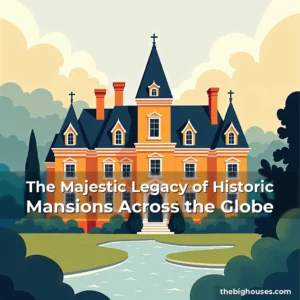
The Grand Legacy: Unveiling the Timeless Splendor of Historic Mansions Across the Globe
In the heart of history lies an architectural treasure trove that continues to captivate the imagination—historic mansions. These grand structures are not merely buildings; they are living testaments to eras long past, whispering stories of opulence, innovation, and cultural evolution.
Historic mansions span centuries, from the Renaissance palaces of Europe to the colonial estates of North America. They embody the artistry of their times while standing as enduring symbols of human achievement and ambition.
A Journey Through Architectural Eras
Historic mansions have evolved alongside architectural movements, reflecting changing tastes and technological advancements over time. From Gothic Revival castles to neoclassical villas, each style tells its own story through intricate stonework, ornate facades, and innovative construction techniques.
For instance, the French châteaux of the Loire Valley showcase the transition from medieval fortifications to Renaissance elegance. Their sprawling gardens and symmetrical layouts reveal the influence of Italian garden design on European architecture during the 16th century.
- Gothic Revival: Characterized by pointed arches, ribbed vaults, and flying buttresses, these structures were often built as both homes and places of worship.
- Neoclassical: Inspired by ancient Greek and Roman temples, neoclassical mansions feature columns, pediments, and domed roofs.
Victorian-era mansions introduced new materials such as iron and glass, leading to innovations like stained-glass windows and wrought-iron balconies. This period also saw the rise of Queen Anne-style houses known for their asymmetrical designs and decorative woodwork.
Art Deco mansions, popular in the early 20th century, emphasized geometric shapes, bold colors, and luxury materials like chrome and marble. Iconic examples include the Villa Savoye in France, which epitomizes modernist principles with its open floor plans and pilotis.
Cultural Significance and Historical Impact
Beyond their aesthetic appeal, historic mansions hold immense cultural significance. Many served as centers of political power, social gatherings, and artistic inspiration. They played crucial roles in shaping societal norms and influencing historical events.
Take Versailles Palace in France, originally constructed as a modest hunting lodge but later transformed into a symbol of absolute monarchy under Louis XIV. Its Hall of Mirrors remains one of the most iconic spaces ever created, blending Baroque architecture with elaborate ornamentation.
Similarly, Mount Vernon Estate in Virginia was George Washington’s home and played a pivotal role in American history. It offers insight into the daily life of one of the nation’s Founding Fathers while showcasing colonial-era craftsmanship at its finest.
Preserving History Through Restoration Efforts
Restoration efforts for historic mansions require meticulous attention to detail and adherence to preservation guidelines set forth by organizations like UNESCO. Techniques range from traditional handcraftsmanship to cutting-edge digital modeling used today.
According to recent studies conducted by Heritage Conservation International, approximately 80% of restored historic properties maintain their original structural integrity when appropriate methods are employed. This ensures that future generations can continue appreciating these landmarks without compromising authenticity.
Digital tools now allow historians and architects to create precise replicas of missing elements using 3D scanning technology. Such advancements help preserve even the smallest details found within these magnificent structures.
Economic Value and Tourism Potential
Many historic mansions contribute significantly to local economies through tourism revenue generated by visitors who come to experience their beauty firsthand. Countries around the world invest heavily in maintaining these sites as part of national heritage initiatives.
Italy alone hosts millions of tourists annually visiting locations like Palazzo Medici Riccardi in Florence or Castello di Monteleone near Naples. These visits support jobs related to hospitality services, tour guides, and artisan crafts associated with restoration projects.
Furthermore, some governments offer tax incentives encouraging private owners to restore old homes rather than demolish them. In England, for example, there is a Landmark Trust program providing grants up to £1 million towards conservation work done on listed buildings.
Famous Examples Around the World
Historic mansions dot landscapes across continents, each telling its own unique tale through stone walls, timber frames, and lavish interiors filled with priceless artifacts. Some stand proudly amidst lush greenery while others overlook bustling cities teeming with activity.
Krönungshof Castle located deep within Austria’s Tyrol region exemplifies alpine architecture blended seamlessly with medieval influences. With panoramic views of snow-capped mountains surrounding it, this castle has become synonymous with fairy-tale imagery.
In contrast, Chatsworth House situated in Derbyshire County serves as Britain’s largest country house still inhabited by members of aristocracy. Completed initially in 1550 but continuously expanded since then, it boasts stunning collections ranging from fine art pieces to rare books housed within its library rooms.
Notable Features Within Famous Mansions
Inside many renowned historic mansions lie breathtaking interior features that reflect periods spent under royal patronage or noble ownership. Staircases adorned with gilded balustrades lead upwards toward grand salons where paintings hang against richly decorated ceilings featuring frescoes depicting mythological scenes.
Windsor Castle contains one of the most famous libraries in existence—the Long Library—which houses thousands upon thousands of volumes collected over several centuries by successive monarchs. Its oak-paneled walls combined with candlelit ambiance create an atmosphere reminiscent of bygone ages.
Museums incorporated inside certain manors provide additional context regarding how people lived back then. At Hampton Court Palace near London, visitors can explore themed exhibitions covering topics such as Tudor fashion or Elizabethan theater performances held in purpose-built theaters.
Design Elements That Define Historic Mansions
The defining characteristics of any true historic mansion extend beyond mere size—they encompass distinctive design choices made by architects aiming to leave lasting impressions upon those who enter their halls. Symmetry plays a vital role here; balanced proportions ensure visual harmony regardless of scale involved.
Rooflines vary depending on regional preferences too—an English manor might sport steep pitch sloping downwards whereas Spanish haciendas prefer flat tops covered entirely with tiles designed specifically for hot climates prevalent throughout southern regions.
Windows serve dual purposes serving functional needs alongside contributing greatly toward overall aesthetics achieved via placement patterns mirroring classical orders observed widely among older buildings worldwide.
Exterior detailing adds further depth making every façade unique despite shared similarities among similar styles found globally today whether viewed from Boston or Barcelona alike.
Stories Behind the Stone: Personal Histories Embedded in Every Wall
Each brick laid within historic mansions carries echoes of personal histories spanning generations worth of memories captured permanently within their very foundations. Tales involving love affairs conducted behind closed doors remain preserved along corridors lined with portraits representing lineages stretching far back into antiquity itself.
Secret passages hidden beneath floors once protected treasures belonging solely to select individuals whose lives shaped destinies affecting entire nations at various points throughout recorded history. These concealed routes offered escape options during wartime conflicts threatening occupants’ safety above ground level.
Diaries discovered during renovations frequently shed light onto daily routines experienced centuries ago—how servants operated within hierarchically structured households operating according to strict protocols established firmly rooted traditions maintained diligently passed down father-to-son continually reinforcing social divisions clearly defined through sheer physical proximity determined strictly based upon birthright alone.
Preservation Challenges Faced Today
Despite widespread appreciation shown towards preserving our collective past reflected so beautifully through surviving examples left us today comes considerable challenges faced regularly confronting caretakers entrusted with responsibility ensuring continued survival intactness required keeping alive legacies meant never fade away completely lost forever due neglect or mismanagement occurring occasionally unfortunately.
Environmental factors pose serious threats including erosion caused primarily by weather conditions varying dramatically depending location chosen initially deciding where particular structure would eventually settle permanently residing thereafter becoming part landscape forevermore.
Pest infestation presents another concern particularly termites capable destroying wooden components constituting essential parts supporting weight bearing loads critical functionality dependent upon proper maintenance schedules implemented consistently monitored effectively carried out properly preventing potential disasters waiting silently behind unassuming exterior appearances deceiving unsuspecting observers believing everything appears normal until too late discovering damage already extensive requiring costly repairs undertaken urgently.
Financial constraints inevitably affect decision-making processes concerning necessary upkeep procedures mandated periodically throughout lifespan duration dictated largely influenced economic situations prevailing locally affecting availability funding sources available potentially limiting scope interventions possible executed resulting limitations imposed restricting full realization desired outcomes aimed achieving preserving original intent expressed clearly articulated through initial blueprints drawn decades prior establishing visions intended fulfilled accurately.
Modern Reinterpretations of Classic Styles
While many historic mansions retain their original forms and functions, contemporary adaptations have emerged that blend classic architectural elements with modern sensibilities. This fusion results in structures that respect tradition while embracing innovation.
New developments incorporating traditional motifs use sustainable materials and energy-efficient technologies to meet current environmental standards. For example, modern reinterpretations of Georgian-style homes incorporate double-glazed windows and insulation systems that enhance comfort without sacrificing historical accuracy.
Architects designing hybrid spaces draw inspiration from past eras yet tailor solutions suited for present-day lifestyles. Open-plan living areas inspired by Victorian parlors coexist comfortably beside minimalist kitchens equipped with smart appliances enhancing convenience levels exponentially compared to what existed previously before technological advances revolutionized household operations fundamentally altering ways we interact with domestic environments daily basis routinely.
This balance allows homeowners seeking connection with legacy simultaneously enjoying benefits provided exclusively through latest scientific discoveries enabling creation perfect equilibrium satisfying dual desires wanting both continuity change simultaneously fulfilling requirements placed upon individuals navigating complex demands posed constantly evolving societies demanding adaptability flexibility indispensable traits cultivating successful existence thriving amidst perpetual transformation characterizing modern age uniquely distinguished unlike anything encountered earlier.
Conclusion
Historic mansions represent much more than just impressive real estate holdings—they encapsulate centuries’ worth of human creativity, resilience, and vision manifested physically through bricks mortar forming edifices standing defiant against passage time.
By exploring these magnificent structures, enthusiasts gain deeper understanding cultural narratives woven tightly together creating tapestry representing global diversity expressed vibrantly through architectural language spoken universally comprehended instantly recognized wherever found irrespective geographical boundaries separating nations differing vastly regarding political systems governing populations residing within borders demarcated arbitrarily drawn lines ultimately meaningless except for purposes facilitating administrative efficiency convenient management tasks otherwise impossible achieve successfully without clear distinctions existing beforehand naturally occurring phenomena governed laws nature inherently indifferent human constructs attempting impose order chaos inherently chaotic unpredictable natures.